

Phase 2 — Orient
Make Sense of What You See. Prioritize Under Pressure.
Observation gives you clarity. Orientation gives you context. This phase trains you to assess environments, identify risks, and focus on what matters most — even when information is incomplete and pressure is high.
What Orientation Really Means
It’s about making sense of it, understanding the variables, and identifying what’s most important.
In real-world situations:
Information is incomplete
Time is limited
Pressure is real
Waiting to understand everything perfectly isn’t an option.
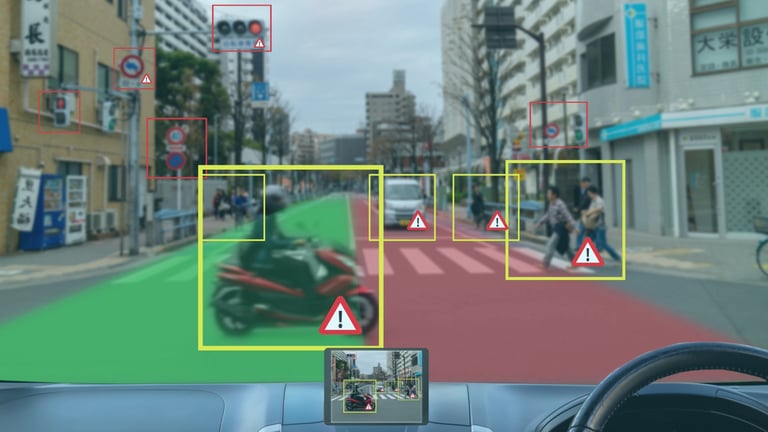
Orienting isn’t just thinking about what you observed.
Your ability to orient yourself quickly — even under uncertainty — determines how effectively you can act next.
Most People Misread the Situation
They assume too much. They focus on the wrong details. They overcomplicate what matters.
Orientation closes the gap between observation and action.
It lets you prioritize, anticipate risk, and prepare for the next move without hesitation.


Skills To Develop


Situational analysis — understanding environments under pressure
Risk assessment — identifying issues before they escalate
Prioritization — knowing what demands your attention first
Mental clarity — filtering noise to focus on critical factors
Adaptive thinking — preparing for multiple outcomes
These skills turn observation into actionable understanding.
How This Phase Works
Orientation is learned through practice, not theory.


Phase 2 Breakdown:
Core Lessons — Learn frameworks for prioritization and assessment
Real-World Breakdowns — See orientation applied in actual situations
Scenario Training — Practice interpreting complex environments quickly
Reinforcement — Repeat until making sense under pressure becomes instinctive
Clear orientation comes from structured training, not guesswork.
Phase 2 Lessons

Lesson 1:
Understanding the Variables
Recognize what factors affect the situation
Identify what can’t be ignored
Separate critical vs. peripheral information
Lesson 2:
Prioritization Under Pressure
Decide what matters first when everything feels urgent
Balance safety, efficiency, and function
Make structured choices quickly
Lesson 3:
Managing Mental Noise
Avoid distraction and overthinking
Maintain clarity when stakes are high
Focus on actionable factors
Lesson 4:
Recognizing Risk and Opportunity
Spot potential problems before they escalate
See hidden opportunities in complex situations
Prepare responses without hesitation
Lesson 5:
Adaptive Thinking
Adjust your understanding as new information emerges
Avoid rigid assumptions
Stay flexible without losing control
Orient in Real Situations
In real-world scenarios, you’ll practice:
What matters most right now?
What risks are emerging?
How do priorities shift under pressure?
What are you missing that changes the outcome?


Orientation isn’t built by observation alone. It’s built by interpreting and prioritizing what you see.
This is where clarity becomes actionable insight.
Reinforce Orientation in the Moment
Field Guides give you a structured way to assess and prioritize under pressure.
Use the Orient Field Guide to:
Identify critical factors instantly
Filter noise from important information
Focus on what matters in real time
When pressure hits, you won’t have time to figure it out from scratch — you rely on structured orientation.

What Comes Next
Once you can orient effectively, you’re ready to decide. Phase 3 builds on this — teaching you to choose a path confidently and commit to action.
© 2026 Adaptageous. All rights reserved.
Subscribe to our newsletter and GET A FREE CHEAT SHEET

Empowering you to adapt quickly, strategize confidently, and maintain your edge in uncertainty.